
Semarang – Department of History, Faculty of Cultural Sciences | Institutional history is a category of historical themes that attracts a lot of interest from students. However, this theme has not yet received serious attention in terms of methodology. In the Bachelor of History Program, Faculty of Cultural Sciences, Diponegoro University, the issue of concepts and theories has been touched upon in the course Theory and Methodology of History, but it has not specifically addressed the regulation of institutional history.
Starting from this methodological void, the Department of History, Faculty of Cultural Sciences, Diponegoro University held the 12th Historical Methodology Workshop, with the theme “Institutional History,” featuring Prof. Dr. Wasino, M. Hum., a lecturer from Semarang State University (UNNES), on September 8, 2023. “Until now, the writing of institutional history has been placed within the framework of social history, but how institutional history is written requires a concept that is not monolithic. Perhaps through this workshop, there will be other variants that have never been mentioned before,” said the Head of the History Study Program, Dr. Dhanang Respati Puguh, M. Hum., in his opening remarks at the workshop.
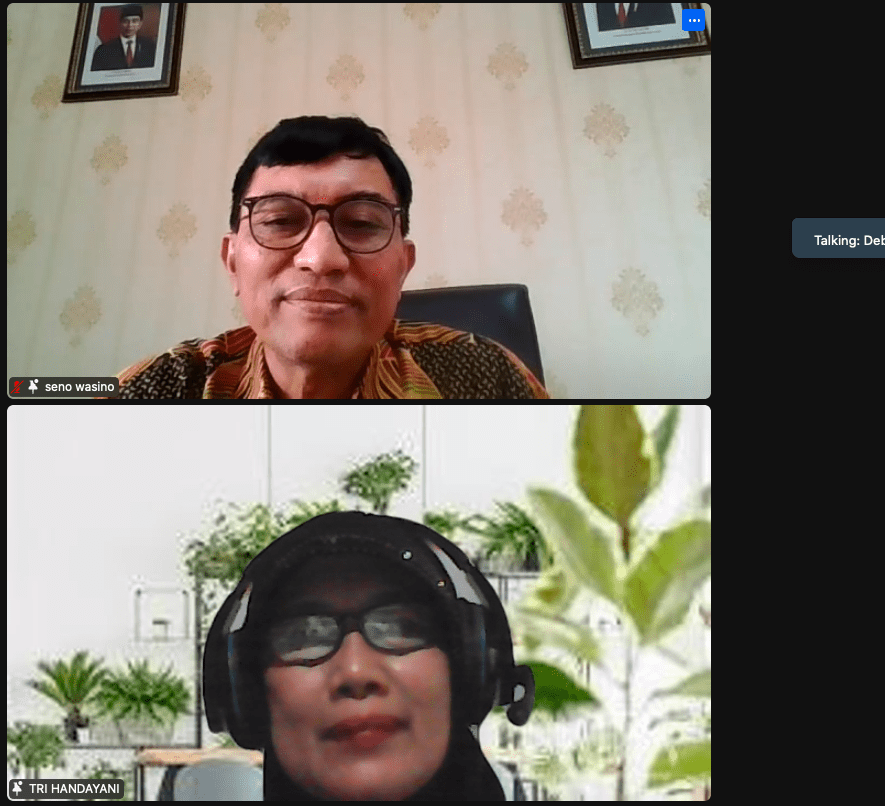
Institutional history is a narrative that records key points about how institutions are organized. The narrative can be a momentary profession about institutions or changes in the times that influence the behavior of these institutions. In fact, institutional history does not only narrate history as a mere event, but also provides analysis concerning the system, order, and behavior of organizations in the process of institutional functioning, for example, the history of political, educational, economic, military, cultural, and other institutions. Professor Wasino provided a series of questions related to aspects that can be narrated in institutional history: “How does organizational change affect budgeting?
How do organizational changes affect public services? How do organizational changes affect organizational culture? How do organizational changes affect the facilities provided by the state?” In narrating institutional history, various institutional historical records can be obtained from official reports from institutions, records of employee administrators, contemporary reports, factory buildings, government centers, and others.
There are various state-owned institutions that can be used as themes for institutional history, including PT Pelabuhan Indonesia Holding Company, PT Pelayaran Nasional Indonesia (PT Pelni), PT Perkebunan Nasional Indonesia Holding Company, PT Telkom, PT Kereta Api Indonesia, Waskita Karya, BNI 1946, Bank Mandiri, and others (Fanada Sholihah/History).
